
Inflammation is your body’s natural response to injury or infection, but when it becomes chronic, it can silently damage your health over time. Feeling stiff joints, fatigue, or digestive issues may all be signs that your body is fighting inflammation every day. Interestingly, doctors are learning that one of the best ways to reduce inflammation lies not in the medicine cabinet, but in the refrigerator. By following an anti-inflammatory diet you can fight off inflammation for good. This means that the right foods can work as medicine, helping your body stay healthy, energized, and resilient against long-term diseases. In this guide, we’ll explore the foods that fight inflammation, why they work, and how you can make simple swaps in your daily diet to protect your health.
Foods that fight inflammation
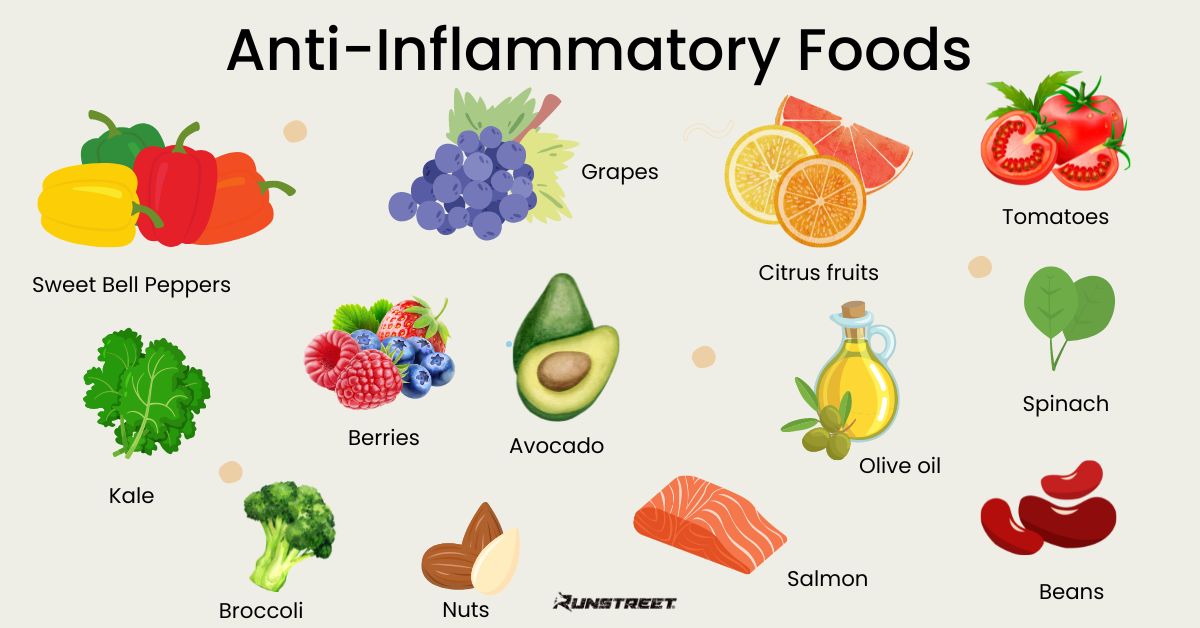
Chronic inflammation is linked to a host of diseases, including diabetes, heart disease, and arthritis, and research consistently shows that what you eat can either fuel inflammation or reduce it. Foods that fight inflammation are rich in antioxidants, vitamins, minerals, and healthy fats, all of which help neutralize harmful free radicals in the body. For example, berries like blueberries, strawberries, and cherries are packed with compounds called flavonoids, which have been shown to reduce inflammatory markers in the blood. Leafy green vegetables such as spinach, kale, and broccoli provide vitamins A, C, and K, which play key roles in reducing inflammation and supporting overall cellular health. Fatty fish like salmon, mackerel, and sardines are excellent sources of omega-3 fatty acids, which can lower inflammation in joints and improve heart health. Even spices like turmeric and ginger contain bioactive compounds that actively fight inflammatory processes, making your meals not just flavorful but therapeutic.
Incorporating these foods into your diet doesn’t have to be complicated. By creating colorful, nutrient-dense meals, you can naturally reduce inflammation while enjoying your food. For instance, a breakfast smoothie with berries, spinach, and a teaspoon of chia seeds can kickstart your day with anti-inflammatory power. Lunch might feature a salmon salad drizzled with olive oil, while dinner could be a roasted vegetable medley seasoned with turmeric and garlic. By understanding which foods fight inflammation, you gain the ability to make choices that directly influence your health and long-term well-being.
Lose Weight and Keep It Off
Inflammation and weight are closely connected. Excess fat, particularly around the abdomen, releases inflammatory compounds called cytokines that perpetuate chronic inflammation. This creates a vicious cycle: inflammation contributes to weight gain, and excess weight fuels more inflammation. Foods that fight inflammation, such as leafy greens, berries, and fatty fish, not only reduce these harmful compounds but also help regulate metabolism, appetite, and energy levels. Studies show that people who follow an anti-inflammatory diet can lose weight naturally and maintain it over time, without extreme dieting or deprivation.
For example, substituting sugary breakfast cereals with oatmeal topped with berries and a sprinkle of flaxseed provides fiber and antioxidants that stabilize blood sugar and lower inflammation. Pairing meals with healthy fats like olive oil or avocado keeps you satiated longer, reducing the temptation to snack on inflammatory processed foods. By prioritizing anti-inflammatory foods, you can lose weight, support your joints, improve heart health, and maintain these results for the long term.
Foods that cause inflammation
Not all foods are created equal, and some can actively contribute to chronic inflammation. Processed meats such as bacon, hot dogs, and sausages contain high levels of saturated fats and preservatives that trigger inflammatory pathways. Refined sugars and sugary drinks cause rapid blood sugar spikes, which stimulate the release of pro-inflammatory cytokines. Trans fats, often found in fried foods, packaged snacks, and margarine, are particularly harmful because they directly increase systemic inflammation. Even excessive consumption of refined grains, like white bread and pasta, can elevate inflammation by affecting insulin levels and gut health. Understanding which foods cause inflammation is critical because avoiding them allows the body to heal and respond better to anti-inflammatory foods.
Simple swaps can make a big difference. Instead of fried chicken, roast or grill your protein. Replace soda with herbal teas or sparkling water with a splash of fruit juice. Whole grains, nuts, and fresh produce are excellent replacements for processed, inflammatory foods. Over time, these changes lower inflammation, improve energy, and reduce the risk of chronic illness.
The health risks of inflammatory foods
Chronic consumption of inflammatory foods carries serious health risks, many of which are increasingly common in the USA. Inflammatory diets have been linked to cardiovascular disease, type 2 diabetes, obesity, arthritis, and even certain cancers. Studies have shown that individuals who regularly consume trans fats and processed foods have higher rates of heart attack and stroke. Excess sugar consumption has been tied to insulin resistance, which increases the risk of diabetes and obesity. Even mental health can be affected; chronic inflammation has been associated with depression and cognitive decline.
Recognizing the health risks of inflammatory foods is the first step toward making smarter choices. By replacing these harmful foods with anti-inflammatory alternatives, you not only reduce your risk of chronic diseases but also improve daily energy, mood, and long-term quality of life. Doctors emphasize that diet is a cornerstone of prevention, often as important—or more so—than medications in maintaining overall health.
Anti-inflammatory foods
Anti-inflammatory foods are rich in nutrients that calm inflammation at the cellular level. Fruits such as blueberries, cherries, and oranges contain antioxidants and polyphenols that combat oxidative stress. Vegetables like spinach, kale, and broccoli provide vitamins and minerals essential for immune and cardiovascular health. Fatty fish, including salmon, sardines, and mackerel, are loaded with omega-3 fatty acids that reduce inflammation in joints and arteries. Healthy fats from olive oil, nuts, and seeds provide energy while lowering inflammatory markers. Herbs and spices like turmeric, ginger, and garlic contain bioactive compounds that target inflammation directly. Even beverages, such as green tea and water infused with lemon, contribute to overall anti-inflammatory effects.
Here is a simple table summarizing some of the top anti-inflammatory foods and their key benefits:
| Food Category | Examples | Anti-Inflammatory Benefit |
| Fruits | Blueberries, Cherries, Oranges | Antioxidants, Polyphenols |
| Vegetables | Spinach, Kale, Broccoli | Vitamins A, C, K, Fiber |
| Fatty Fish | Salmon, Sardines, Mackerel | Omega-3 Fatty Acids |
| Healthy Fats | Olive Oil, Avocado, Nuts | Anti-inflammatory fatty acids, Satiety |
| Spices & Herbs | Turmeric, Ginger, Garlic | Bioactive anti-inflammatory compounds |
| Beverages | Green Tea, Lemon Water | Hydration, Antioxidants |
Benefits of anti-inflammatory foods
The benefits of anti-inflammatory foods extend far beyond simply reducing pain or swelling. Regular consumption can improve heart health, lower the risk of diabetes, enhance brain function, and even support weight management. People who follow an anti-inflammatory diet often experience better digestion, more stable energy levels, and reduced symptoms of arthritis or other chronic conditions. Mental health benefits are also notable, with studies linking anti-inflammatory diets to improved mood, reduced anxiety, and sharper cognitive performance. In addition, anti-inflammatory foods support long-term cellular health, reducing oxidative damage and supporting the body’s natural repair mechanisms. By prioritizing these foods in your daily diet, you gain both immediate relief from inflammation and long-term protection against chronic disease.
May Also Read: Mitochondria and Health: How These Tiny Powerhouses Keep You Energized and Strong
Conclusion
Chronic inflammation doesn’t have to control your life, and one of the most powerful tools to fight it is on your plate. Foods that fight inflammation provide antioxidants, healthy fats, vitamins, and minerals that protect your body from damage and support overall well-being. By learning which foods cause inflammation and replacing them with anti-inflammatory options, you can reduce your risk of serious diseases, manage weight, and enjoy more energy every day. Doctors are learning that one of the best ways to reduce inflammation lies not in the medicine cabinet, but in the refrigerator. By following an anti-inflammatory diet you can fight off inflammation for good. Start small, make smart swaps, and embrace a colorful, nutrient-rich diet to transform your health from the inside out.