Colombo, the vibrant capital of Sri Lanka, is a city where history meets modernity, offering travelers a mix of culture, architecture, and coastal charm. From bustling markets to colonial-era buildings, Explorez Colombo to discover something for every type of explorer. Whether you’re walking along the shores of Galle Face Green or wandering through centuries-old museums, the city reveals layers of heritage, spirituality, and everyday life that make it unforgettable. For anyone seeking a unique travel experience, to truly Explorez Colombo is to step into a living museum, where every street, temple, and marketplace tells a story.
For visitors from the USA, Colombo might feel like a hidden gem waiting to be discovered. The city’s blend of colonial influence, Buddhist traditions, and modern commercial hubs provides a fascinating contrast. With a well-planned itinerary, you can experience the essence of Sri Lanka’s capital, from grand museums to peaceful temples and lively shopping centers. This guide will help you Explorez Colombo through must-see attractions, historical landmarks, and cultural hotspots, ensuring your journey through the city is both rich and memorable.
L’histoire de Colombo
The history of Colombo dates back over 2,000 years, with its strategic location on the western coast of Sri Lanka making it a hub for traders, colonists, and explorers. Initially a small fishing village, Colombo became a critical port for Portuguese colonists in the 16th century. They were followed by the Dutch in the 17th century, whose influence still lingers in colonial architecture and street layouts. Finally, the British established Colombo as the administrative capital of Ceylon, shaping much of the modern infrastructure and governance still in use today.
Walking through Colombo is like flipping through a living history book. Colonial buildings coexist with modern skyscrapers, while local markets and temples continue traditions that span centuries. Travelers can witness the city’s evolution from a modest coastal settlement to a bustling cosmopolitan center, giving a deep appreciation for both its past and present.
Musée national de Colombo
The Musée national de Colombo is the largest and most important museum in Sri Lanka, housing artifacts that tell the story of the island’s rich cultural and historical heritage. Visitors can admire royal regalia, ancient weapons, traditional masks, and elaborate ceremonial objects. One of the museum’s most fascinating exhibits is the Throne of the Kandyan Kings, which reflects the artistry and craftsmanship of Sri Lanka’s monarchy.
Planning your visit is essential to fully appreciate the museum. It is best to arrive early to avoid crowds and to allow time for a guided tour, which provides context for many of the historical objects. Photography is generally permitted in certain areas, allowing travelers to capture memories of Sri Lanka’s royal past. The museum is not just a collection of artifacts; it is a window into the soul of Colombo, giving visitors insight into centuries of tradition, leadership, and art.
Musée national d’histoire naturelle
For those intrigued by Sri Lanka’s natural world, the Musée national d’histoire naturelle is a must-visit. The museum showcases an extensive collection of flora, fauna, and geological specimens, highlighting the island’s incredible biodiversity. From rare butterflies and exotic birds to fossils and mineral samples, every exhibit tells a story about the natural evolution of the region.
Families and nature enthusiasts will particularly enjoy the interactive sections, where visitors can learn about Sri Lanka’s endangered species and conservation efforts. Fun facts, like the existence of a giant crab species unique to the island or the traditional use of certain medicinal plants, make the museum educational as well as fascinating. The museum’s location in central Colombo makes it easily accessible, offering both locals and tourists a deep dive into the ecological wonders of Sri Lanka.
Musée hollandais
The Musée hollandais, also known as the Dutch Museum, is a testament to Colombo’s colonial past. Housed in a building that dates back to the 17th century, it provides a glimpse into life under Dutch rule. Visitors can explore antique furniture, old maps, and artifacts that document trade, administration, and daily life during the Dutch era.
The museum’s charm lies not only in its exhibits but also in the architecture itself, with thick walls, wooden floors, and arched windows that have stood the test of time. Photography enthusiasts often find the museum a paradise, as every corner offers a picture-perfect representation of colonial Colombo. Walking through these halls, one can truly appreciate the Dutch influence that shaped the city’s development for centuries.
Musée maritime
Colombo’s maritime history is celebrated in the Musée maritime, where the city’s long-standing relationship with the sea is brought to life. The museum features models of historic ships, navigation instruments, and artifacts used in maritime trade. Colombo’s port has been a trading hub for centuries, connecting Sri Lanka to the Middle East, India, and Europe, and the museum captures this story in vivid detail.
Visitors can also learn about famous sailors, naval battles, and the evolution of shipbuilding techniques. A section dedicated to traditional fishing methods highlights the daily life of coastal communities, providing a holistic understanding of how the sea shaped Colombo’s economy and culture.
Musée du Mémorial de l’Indépendance
The Musée du Mémorial de l’Indépendance stands as a symbol of Sri Lanka’s freedom and national pride. When you Explorez Colombo, a visit to this museum offers a deep insight into the country’s journey to independence from British rule, displaying photographs, documents, and commemorative plaques honoring the leaders and citizens who contributed to the cause.
Visitors can explore the well-maintained grounds, which feature statues and monuments celebrating historical milestones. The museum is not just a place of learning; it is a space for reflection and appreciation of the struggles and triumphs that give Colombo its status as a free and sovereign capital, making it a must-see stop when you Explorez Colombo.
Le Temple Gangaramaya
Le Temple Gangaramaya is one of Colombo’s most significant Buddhist sites, blending traditional and modern architectural styles. The temple complex includes a meditation hall, museum, and serene gardens, making it both a spiritual and cultural destination. Visitors can admire intricate statues, ceremonial objects, and ancient relics that have been preserved for centuries.
Respectful visitors often participate in meditation sessions or rituals, gaining insight into Sri Lankan Buddhist practices. The temple is also known for its vibrant festivals, where colorful decorations and traditional performances create an atmosphere of celebration. For tourists, Le Temple Gangaramaya offers a peaceful escape amidst the city’s hustle and bustle.
L’Ancien Conseil Municipal, Fort
The Ancien Conseil Municipal, Fort, is a historic building that once served as the administrative heart of Colombo. Its architecture reflects colonial elegance, with grand halls and ornate detailing that highlight the city’s administrative heritage. Visitors can walk through the building’s corridors and visualize the civic life of Colombo during the colonial era.
The building occasionally hosts exhibitions and cultural events, allowing travelers to experience local traditions and art forms in a historic setting. Exploring the Ancien Conseil Municipal offers a unique glimpse into Colombo’s governance and its role in shaping the nation.
L’Ancien bâtiment du Parlement : Galle Face Green
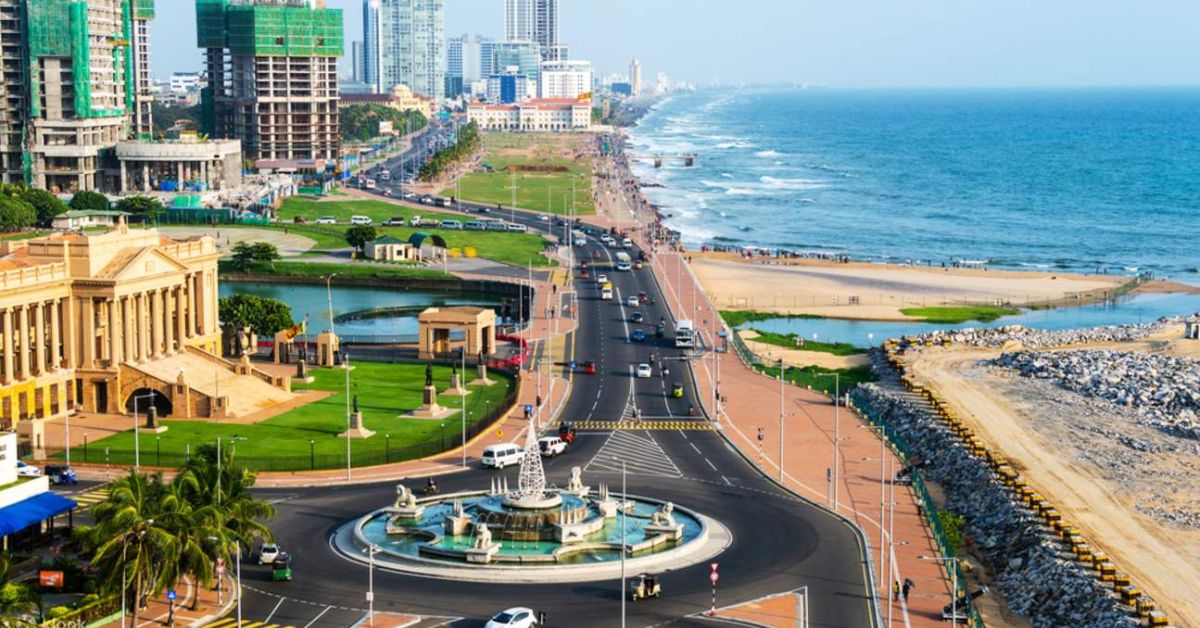
Galle Face Green, alongside the Ancien bâtiment du Parlement, is an iconic promenade and historic landmark in Colombo. Originally part of the colonial administrative complex, the Parliament building now stands as a reminder of the city’s political evolution. Visitors flock to Galle Face Green for evening walks, kite flying, and sunset views over the Indian Ocean.
The area is also a hub for street food vendors, offering local delicacies like isso wade (shrimp fritters) and fresh coconut water, creating a vibrant atmosphere that blends history with everyday life. A stroll along Galle Face Green allows tourists to experience Colombo as locals do, appreciating both its heritage and leisure spaces.
L’Hôpital hollandais
The Hôpital hollandais, one of Colombo’s oldest colonial structures, has been transformed into a cultural and commercial hub. Once a Dutch hospital, it now houses restaurants, cafes, and boutiques, combining history with modern entertainment. Visitors can explore the building’s colonial architecture, with original walls and arches still intact, while enjoying contemporary dining experiences.
The transformation of the Hôpital hollandais demonstrates Colombo’s ability to preserve heritage while embracing modernization, making it a must-visit destination for tourists who enjoy history, shopping, and gastronomy in one location.
May Also Read: Niagara Falls Is Experiencing Its ‘Frozen Falls’ Effect—Here’s How to See the Icy Spectacle
Cargills et Millers, Colombo
Cargills and Millers, Colombo, are iconic establishments representing the city’s commercial and culinary culture. When you Explorez Colombo, a visit to Cargills and Millers is a must, as Cargills offers a variety of local and imported goods, while Millers is famous for its bakery and deli products. Together, they provide visitors with a taste of everyday Colombo life, from shopping experiences to culinary delights.
Travelers can sample Sri Lankan treats such as spicy short-eats, tropical fruits, and traditional sweets, making a visit to Cargills and Millers both educational and flavorful. These establishments also highlight the city’s blend of modern convenience and traditional markets, reflecting the unique charm you can experience when you Explorez Colombo.