Hakone Ropeway & Owakudani Valley (大涌谷) offer one of the most thrilling sightseeing experiences in Japan. Suspended high above volcanic terrain, the ropeway gives travelers panoramic views of steam-filled valleys, rugged mountains, and on clear days, the majestic Mount Fuji. Whether you are visiting as a solo traveler, with family, or as part of a tour, this aerial adventure combines natural beauty with a sense of excitement that few places can match. With a smooth ride and multiple stations to explore, the Hakone Ropeway is not just a cable car; it is a journey through the heart of Japan’s volcanic landscapes.
What Is the Hakone Ropeway?
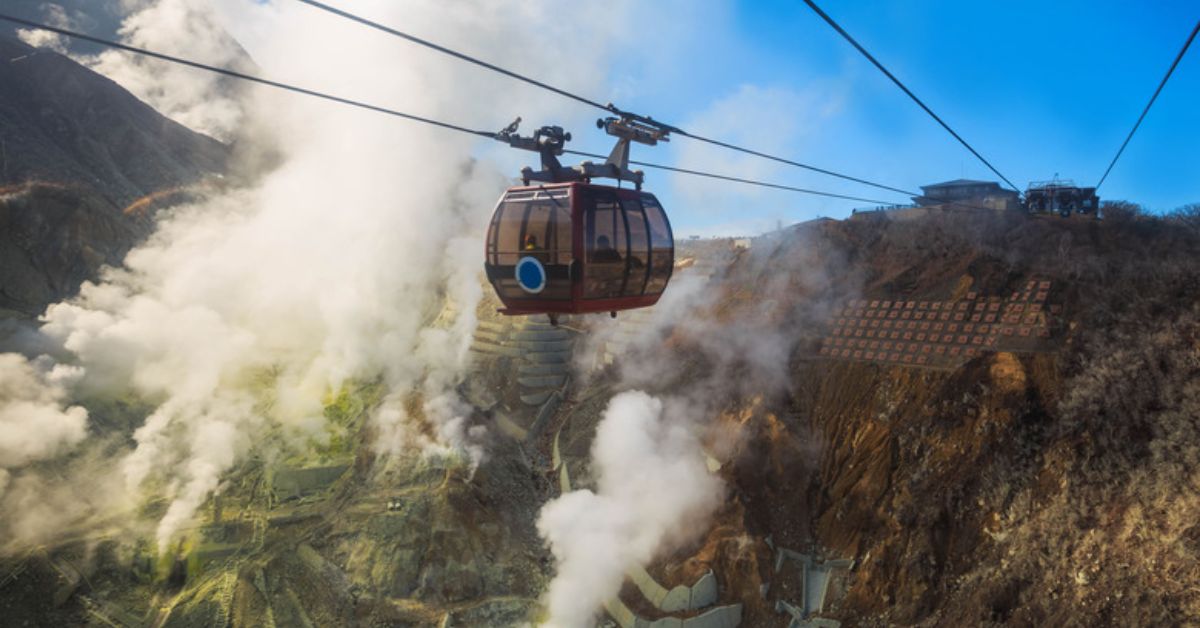
The Hakone Ropeway is a gondola-style cable car system that links the Hakone region’s most famous natural attractions. Spanning several kilometers, it connects stations from Sounzan to Togendai, passing directly over Owakudani Valley. Visitors are treated to breathtaking aerial views of volcanic steam vents, rugged cliffs, and lush greenery that change with the seasons. Since its opening, the ropeway has become a symbol of Hakone’s unique blend of adventure and scenic beauty. Modern cabins offer safety, comfort, and large windows, making it easy to capture stunning photographs. For travelers coming from Tokyo, the ropeway provides a seamless introduction to Japan’s natural wonders without the need for strenuous hiking.
Good to Know Before You Ride
Before boarding the Hakone Ropeway, there are a few important details to keep in mind. Operating hours vary depending on the season, with the ropeway generally running from early morning to late afternoon. Tickets can be purchased individually or as part of the Hakone Free Pass, which includes trains, buses, and ropeway rides. Weather conditions, particularly strong winds or volcanic activity, can affect operations, so checking ahead is recommended. Comfortable shoes, layered clothing, and a camera are essential, as temperatures can drop at higher altitudes. Crowds can be significant during weekends and holidays, so visiting early is a good strategy to enjoy clear Mount Fuji views and more space in the cabins. Finally, those with mobility concerns will find the stations accessible, making it suitable for travelers of all ages.
Starting at Sounzan Station (早雲山駅)
Sounzan Station is the first stop on the ropeway journey, acting as the gateway to the aerial adventure. Arriving at Sounzan, travelers are greeted by a modern station surrounded by lush forests and winding mountain trails. The station itself offers ticket counters, waiting areas, and clear signage to guide visitors to the cabins. From here, the ropeway begins its ascent, moving gradually above the forested slopes. The view transforms quickly from serene greenery to rocky volcanic terrain, giving a sense of anticipation for the iconic Owakudani Valley ahead. This starting point sets the tone for the adventure, allowing travelers to relax, enjoy the scenery, and prepare for the dramatic landscapes above.
Owakudani Station (大涌谷駅): Exploring Hell Valley
Arriving at Owakudani Station, travelers step into one of Hakone’s most dramatic natural wonders. Known as Hell Valley, Owakudani is an active volcanic zone filled with steaming vents, bubbling hot springs, and a faint sulfur smell that reminds visitors of the valley’s powerful geothermal activity. The rocky landscape offers easy walking paths, observation decks, and areas to safely explore the steaming vents. The volcanic activity here is fascinating for science enthusiasts and casual visitors alike. It is also a photographer’s paradise, with Mount Fuji often visible in the distance on clear days, creating a striking contrast between the white snow-capped peak and the gray volcanic terrain below.
Eating the Famous Black Eggs (黒たまご)
No visit to Owakudani is complete without tasting the famous black eggs. Cooked in the valley’s hot springs, these eggs turn black due to a chemical reaction with the sulfur in the water. According to local legend, eating one black egg can add seven years to your life. Visitors can purchase them from nearby stalls while exploring the valley. Beyond the fun legend, the eggs are a unique culinary experience, with a rich flavor and a soft, firm texture. Many travelers enjoy photographing the eggs with the steam vents in the background, combining a cultural treat with the natural spectacle of Owakudani.
Ubako Station (姥子駅): A Quiet Stop
Ubako Station provides a peaceful contrast to the busy Owakudani stop. Nestled amidst green hills and quieter scenery, it is a perfect location for travelers who prefer a slower pace. The station has seating areas and small shops, allowing visitors to rest, enjoy snacks, or take in the panoramic mountain views. While less crowded, Ubako offers opportunities for memorable photographs and a brief escape from the crowds. It is ideal for couples, families with children, or anyone seeking a moment of tranquility before continuing toward Lake Ashinoko.
Togendai Station (桃源台駅): Gateway to Lake Ashinoko
Togendai Station marks the end of the ropeway and provides access to Lake Ashinoko, a scenic lake with boat cruises and surrounding walking paths. From here, travelers can embark on sightseeing cruises, enjoy lakeside views of Mount Fuji, or simply relax on the waterfront. Togendai completes the classic Hakone sightseeing route, linking the volcanic landscapes with serene lake scenery. For photographers, the combination of the lake, mountains, and occasional traditional boats creates perfect compositions. Togendai also connects to other transportation options, making it easy to return to Hakone or continue exploring nearby attractions.
Family Travel Tip: Ropeway + Car
For families, combining the ropeway ride with a car is a practical way to explore Hakone. Using a car allows for greater flexibility, easier pacing with children, and less walking between stations. Parents can plan stops according to their children’s energy levels and interests, while still experiencing the full aerial views from the ropeway. Additionally, parking at major stations is generally available, and combining both modes of travel ensures a comfortable and efficient visit. This approach is especially useful for multi-generational trips or those with older family members who may find extended walking difficult.
How to Get to the Hakone Ropeway & Owakudani Valley
The Hakone Ropeway & Owakudani Valley are easily accessible from Tokyo, making it a popular day-trip destination. Travelers can take the Odakyu Romancecar train from Shinjuku Station, which provides direct access to Hakone-Yumoto Station. From there, connecting buses or local trains lead to Sounzan Station, the starting point of the ropeway. The Hakone Free Pass is highly recommended for visitors, as it covers most transport options in the region and offers cost savings. Travel time from central Tokyo is approximately 90 to 120 minutes, making the ropeway accessible even for those on a tight itinerary.
Is the Hakone Ropeway & Owakudani Valley Worth Visiting?
Hakone Ropeway & Owakudani Valley offer a unique blend of adventure, scenic beauty, and cultural experience. Few destinations provide such easy access to volcanic activity while delivering breathtaking aerial views of mountains, valleys, and Mount Fuji. The combination of natural landscapes, quirky local treats like black eggs, and peaceful stops like Ubako makes it an experience suitable for all types of travelers. While it may not appeal to those uncomfortable with heights or strong sulfur smells, for most visitors, it remains a must-see attraction in Japan. Clear skies, careful planning, and timing your visit outside peak hours can make this adventure even more rewarding.
May Also Read: Yakudon Noodle House (屋久どん) – A Soul-Warming Lunch Stop in Yakushima
Conclusion
A trip on the Hakone Ropeway & Owakudani Valley is more than just a ride; it is a journey through Japan’s dramatic volcanic landscapes, rich culture, and scenic splendor. From the bustling Sounzan Station to the serene waters of Lake Ashinoko, each stop offers a different experience, blending excitement with tranquility. Sampling black eggs, watching steam vents, and capturing Mount Fuji in the background create memories that last long after the visit. Whether you are traveling alone, with family, or with friends, this adventure delivers unforgettable views, cultural charm, and a sense of wonder that makes Hakone one of Japan’s most iconic destinations.