
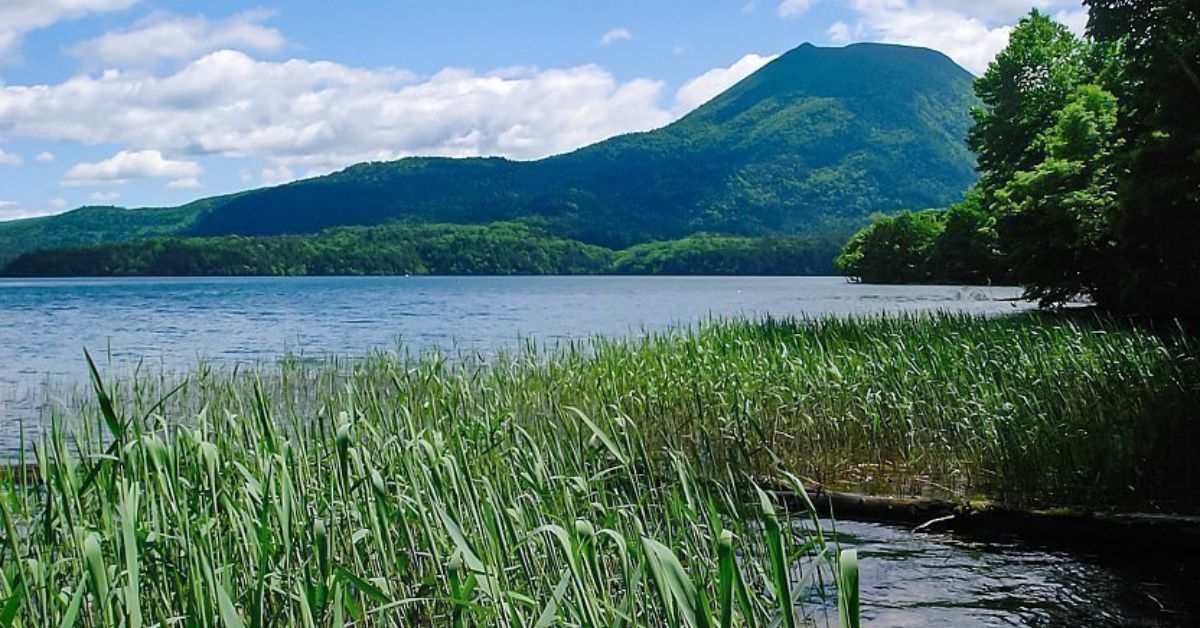
Traveling through eastern Hokkaido feels like stepping into a calmer Japan, where nature sets the pace and traditions still breathe. This Hokkaido Lake Akan and Lake Mashu Travel Guide is written for travelers from the USA who want more than crowded cities and rushed sightseeing. Here, volcanic lakes reflect wide skies, forests whisper old stories, and Indigenous Ainu culture adds meaning to every stop. Lake Akan and Lake Mashu sit close enough to explore together, yet each offers a very different mood. One feels warm and cultural, the other quiet and mysterious. Together, they create a journey that stays with you long after the trip ends.
Hokkaido Lake Akan and Lake Mashu Travel Guide
Eastern Hokkaido lies far from Japan’s busy tourist routes, which is exactly why it feels special. This region formed through volcanic activity, leaving behind deep lakes, mountain passes, and fertile forests. A Hokkaido Lake Akan and Lake Mashu Travel Guide helps you understand how these natural features shape daily life, weather patterns, and travel timing. Summers stay mild, making them perfect for hiking and lake cruises, while winters turn the area into a snowy dreamland. Unlike Tokyo or Kyoto, time moves slower here. Shops close earlier, people greet you warmly, and silence becomes part of the experience. Many travelers pair Lake Akan and Lake Mashu because the drive between them feels scenic rather than tiring, with viewpoints that invite you to stop, breathe, and simply look around.
Lake Akan Cruise
A Lake Akan Cruise gives you the best introduction to the lake’s personality. Boats glide across calm water, passing forested shores and distant volcanic peaks. The ride feels gentle, which makes it suitable for all ages. On clear days, reflections shimmer like glass. In autumn, red and gold leaves lean toward the water, creating postcard views. The cruise usually lasts around 85 minutes, enough time to understand the lake’s scale and history. Guides often share facts about the lake’s formation and wildlife, including fish species that thrive in cold, clean water. Many travelers say the cruise helps them slow down mentally. One visitor once shared, “It felt like the lake was breathing with us.” That feeling explains why the cruise is more than transportation. It becomes part of the memory.
Marimo Algea
Marimo Algea looks simple at first glance, yet it holds deep meaning. These rare, round algae grow slowly in Lake Akan and almost nowhere else in the world. Scientists study them because their shape and growth pattern remain unusual. Locals protect Marimo carefully, treating it as a natural treasure. Small exhibits near the lake explain how Marimo forms and why clean water matters for its survival. Conservation laws limit direct contact, which helps keep the ecosystem healthy. A simple table helps explain why Marimo matters so much.
| Aspect | Importance |
| Growth speed | Extremely slow, only a few millimeters per year |
| Symbolism | Represents harmony between nature and people |
| Protection | Strict conservation rules in Lake Akan |
Seeing Marimo teaches you a quiet lesson. Nature does not rush, and neither should you.
Lake Akan Ainu Kotan
Lake Akan Ainu Kotan introduces you to the heart of Ainu culture. The Ainu are the Indigenous people of northern Japan, and Lake Akan remains one of the best places to experience their living traditions. The village lines the lakeshore with wooden buildings, small museums, and performance spaces. Walking through feels welcoming rather than staged. You hear traditional music, see handcrafted designs, and learn stories passed down through generations. Visitors often notice how the Ainu worldview respects animals, forests, and water as spiritual partners. This stop adds depth to any Hokkaido Lake Akan and Lake Mashu Travel Guide because it connects landscapes with human history. Without this cultural layer, the lakes would feel incomplete.
Traditional Ainu Food
Traditional Ainu Food reflects survival, respect, and creativity. Meals often include fish, venison, wild plants, and grains adapted to cold climates. Flavors stay simple yet comforting. One popular dish uses salmon simmered gently with roots and herbs, creating warmth on chilly days. Eating Ainu food feels different from modern Japanese cuisine. Portions feel hearty, and recipes tell stories of hunting seasons and family gatherings. Many restaurants near Lake Akan explain the origin of each dish, which turns dinner into a learning moment. Trying this food helps you understand how people lived closely with nature long before modern conveniences.
Traditional Ainu Craft
Traditional Ainu Craft carries symbolic meaning in every pattern. Wood carvings often show protective spirits, while embroidered designs guard against illness or misfortune. Artisans work patiently, sometimes spending weeks on a single piece. Watching them feels meditative. Buying authentic crafts supports local families and keeps traditions alive. Travelers often choose small items like carved pendants or fabric pieces because they feel personal. These crafts do more than decorate homes. They carry stories, beliefs, and identity.
Ainu Living Memorial Hall Poncise
The Ainu Living Memorial Hall Poncise deepens cultural understanding through thoughtful exhibits. Displays show daily tools, clothing, and oral traditions, helping visitors see how the Ainu adapted to harsh winters and limited resources. Performances sometimes include dance and song, which feel expressive and emotional rather than theatrical. Spending an hour here changes how you view the village outside. Facts become faces, and history feels alive. Many travelers leave with greater respect for Indigenous preservation efforts across Japan.
Bihoro Pass
Bihoro Pass offers one of eastern Hokkaido’s most dramatic viewpoints. From the lookout, Lake Kussharo spreads below like a painted canvas. Morning fog often drifts slowly, revealing and hiding the lake in turns. Drivers enjoy this stop because it breaks long journeys and rewards patience. Weather changes quickly, so timing matters. Clear days deliver unforgettable views. This pass fits naturally into routes between Lake Akan and Lake Mashu, making it both practical and beautiful.
Lake Mashu
Lake Mashu feels mysterious, almost shy. Known for its extreme clarity, it often hides behind mist. When clouds lift, the view feels magical. The lake formed inside a volcanic crater, which explains its steep sides and deep blue color. Visitors cannot touch the water, which helps preserve purity. Observation decks offer different angles, each changing with light and weather. A short table highlights why Lake Mashu stands out.
| Feature | Detail |
| Water clarity | Among the clearest in the world |
| Access | Viewing only, no shoreline entry |
| Mood | Quiet, reflective, and dramatic |
Standing there, silence feels intentional. Many people say Lake Mashu invites reflection more than photos.
May Also Read: Hakone Ropeway & Owakudani Valley (大涌谷) – A Volcanic Adventure with Mount Fuji Views
Conclusion
The Conclusion of this Hokkaido Lake Akan and Lake Mashu Travel Guide comes naturally. Lake Akan offers warmth through culture, food, and gentle cruises. Lake Mashu answers with silence, depth, and mystery. Between them, places like Bihoro Pass and the Ainu Living Memorial Hall Poncise connect scenery with meaning. This journey suits travelers who value patience, respect, and curiosity. Eastern Hokkaido does not shout for attention. It waits quietly, confident that the right travelers will listen.