
Bali, with its lush rice terraces, sparkling beaches, and vibrant culture, is a dream destination for travelers from the USA and around the world. Yet, one question lingers in the minds of many: Is Bali safe? My Thoughts On Crime, Monkeys, & Earthquakes. From chaotic traffic to cheeky monkeys stealing sunglasses, Bali has a mix of safety concerns that can seem intimidating at first glance. Having spent weeks exploring the island’s bustling streets, serene temples, and hidden waterfalls, I’ve gathered firsthand insights that every traveler should know. Understanding the risks and learning how to navigate them can transform a potentially stressful visit into a truly magical experience.
When I first arrived in Bali, the island’s sheer energy was overwhelming. The streets buzz with scooters, vibrant markets overflow with colors and aromas, and the locals greet you with warmth and curiosity. But it didn’t take long to notice the small quirks of daily life that travelers often overlook—stray dogs roaming the streets, monkeys snatching food from open bags, and occasional reports of petty theft or traffic accidents. With this in mind, I decided to document everything I experienced and observed to answer the question: is it safe to visit Bali? This article will cover my personal experience, important safety tips, natural hazards, and the behavior of animals you may encounter while exploring this beautiful island.
Background: My Experience In Bali
During my month-long stay in Bali, I traveled extensively across Ubud, Seminyak, Canggu, and the less touristy regions in the north and east. I stayed in a mix of boutique hotels, homestays, and beachfront villas, giving me a comprehensive view of safety conditions across the island. From navigating the chaotic roads in Denpasar to witnessing monkeys causing havoc at Ubud’s Sacred Monkey Forest, I learned that Bali’s safety landscape is nuanced. While the island is generally welcoming, minor risks exist, especially for those who are unaware or careless. By observing locals and asking fellow travelers about their experiences, I gathered a clearer picture of the common issues visitors face and how to manage them effectively.
My encounters ranged from humorous to mildly stressful. I once watched a monkey deftly snatch a tourist’s ice cream right from their hand, sparking laughter from bystanders but also reminding me to keep food and belongings secure. On another occasion, I witnessed a near-collision on the winding roads of Ubud due to reckless scooter riding. These experiences were not frightening in the long run, but they highlighted the importance of preparation and awareness. Understanding the island’s culture, natural hazards, and common risks is key to answering the ever-pressing question: Is Bali Safe? My Thoughts On Crime, Monkeys, & Earthquakes are rooted in both observation and personal experience.
Safety In Bali: What To Know
Violent Crime
Violent crime in Bali is relatively rare, especially against tourists. According to the U.S. Department of State, Bali remains one of the safer destinations in Southeast Asia for foreign travelers. Most incidents reported involve altercations over alcohol consumption or late-night disputes rather than premeditated attacks. While you should always remain vigilant, especially in crowded areas like Kuta Beach or night markets, violent crime rarely targets tourists directly. Observing local customs, avoiding confrontations, and staying in well-populated areas are practical steps to ensure personal safety.
Terrorism
Bali experienced tragic terrorist attacks in 2002, which remain a sensitive topic in the island’s history. Since then, security measures have been significantly strengthened, with regular checkpoints and surveillance in tourist areas. While the risk of terrorism can never be completely ruled out, Bali today operates under a heightened sense of security. Travelers can stay informed through official travel advisories and remain aware of their surroundings, particularly in crowded public spaces or during events that attract large crowds.
Theft
Petty theft is more common than violent crime and can include bag snatching, pickpocketing, or theft from hotel rooms. Areas with high tourist traffic, such as Ubud Market or Seminyak’s nightlife streets, require extra vigilance. Using hotel safes, keeping small amounts of cash on hand, and securing backpacks are effective ways to mitigate risk. A practical tip is to wear crossbody bags that are difficult for opportunistic thieves to snatch. Many travelers report that being aware and cautious significantly reduces the chance of encountering theft.
Scams
Tourist scams in Bali often involve transportation, overpriced goods, or fraudulent guides. Taxi overcharging is common, and some motorbike rental shops inflate prices or hide damages to claim extra fees later. Researching reputable services beforehand and confirming rates upfront can prevent misunderstandings. While these scams are rarely dangerous, they can be frustrating, so knowing the common tricks and staying alert helps maintain a stress-free trip.
Roads & Traffic
Is Bali Safe when it comes to navigating its roads? Bali’s streets are famously chaotic, and traffic accidents are not uncommon. Scooters dominate, weaving between cars and pedestrians often without signaling, which can be intimidating for first-time visitors. Many travelers underestimate the danger of renting motorbikes, and U.S. tourists unfamiliar with left-hand driving may wonder how safe it really is. Wearing helmets, obeying traffic laws, and avoiding nighttime rides can significantly reduce risks. Understanding local traffic patterns is essential for anyone planning to explore the island independently, ensuring that your Bali adventure remains enjoyable and safe.
Food Safety (‘Bali Belly’)
Bali Belly—a term travelers often use for digestive issues caused by local bacteria—can affect anyone, even seasoned travelers. Eating street food or drinking tap water increases the likelihood of stomach problems. Simple precautions, like choosing freshly cooked meals, drinking bottled water, and carrying oral rehydration solutions, can prevent most issues. In my experience, sticking to reputable restaurants and avoiding overly spicy dishes in unfamiliar areas minimized discomfort, allowing me to enjoy Bali’s culinary offerings safely.
Volcanoes
Mount Agung, Bali’s active volcano, poses a natural risk to residents and travelers alike. While eruptions are infrequent, monitoring local news and checking volcanic activity updates is important. Resorts and tourist operators often provide guidance on safe evacuation routes. Visiting volcano regions requires planning, especially during active periods, but with precautions, tourists can safely admire the breathtaking views and landscapes.
Earthquakes
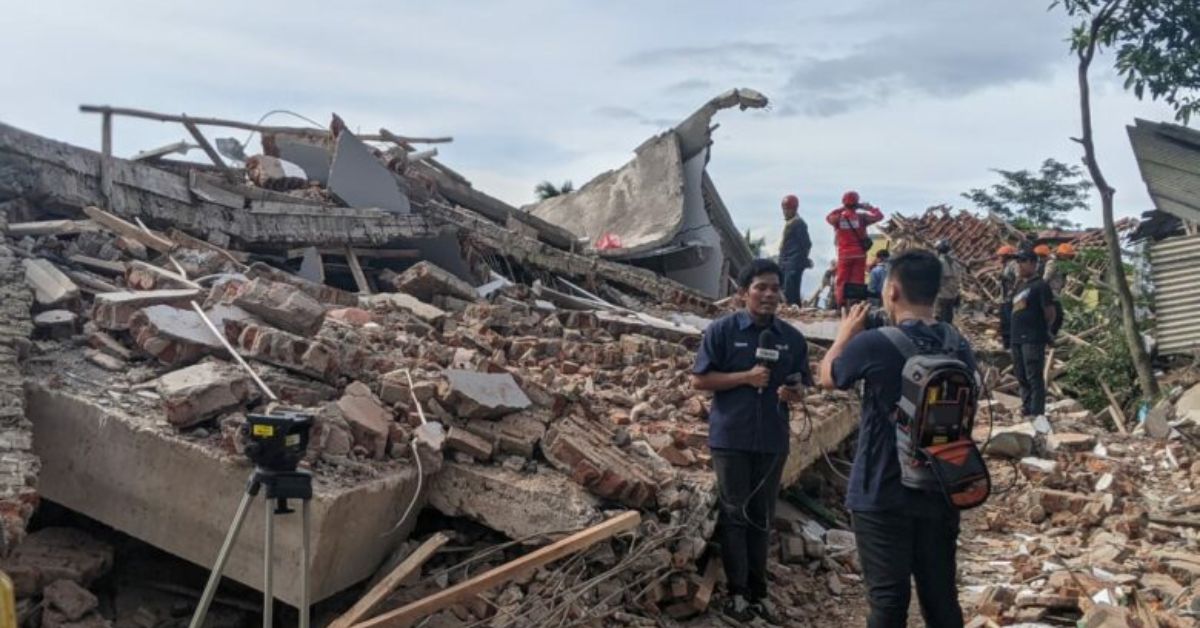
Bali sits on the Pacific Ring of Fire, making earthquakes a natural concern. Most tremors are minor, but strong quakes can occur. Travelers should familiarize themselves with emergency procedures, stay in structurally sound accommodations, and avoid areas prone to landslides during heavy rains. Earthquake preparedness—such as keeping a small emergency kit—ensures both peace of mind and safety for tourists exploring Bali’s more remote regions.
What About Animals?
Dogs
When considering Is Bali Safe in terms of animals, stray dogs are a common sight, particularly in rural villages. While many appear friendly, some may bite if provoked or cornered, making caution essential. Vaccinations for rabies are crucial for travelers, and it’s wise to avoid interacting with unknown dogs. Carrying a small first-aid kit and knowing the location of nearby clinics adds an extra layer of safety, helping ensure that your Bali experience stays enjoyable and worry-free.
Monkeys
Monkeys are one of Bali’s most famous and mischievous residents. Temples like Ubud’s Sacred Monkey Forest attract these primates, who are notorious for snatching bags, sunglasses, and even food from unsuspecting visitors. Observing them from a safe distance, keeping belongings secured, and never feeding monkeys reduces the risk of incidents. My personal experience involved a monkey stealing a tourist’s banana right from their hand—funny in hindsight, but a valuable lesson in caution.
Snakes
Snakes, though generally shy, inhabit Bali’s rice paddies and forested areas. While encounters are rare, being aware of surroundings during hikes or rural visits is essential. Wearing protective footwear, avoiding tall grass, and seeking immediate medical attention if bitten are practical precautions. Local guides are excellent sources of advice regarding safe areas for trekking.
Mosquitoes
Mosquitoes are not just annoying; they carry risks of dengue fever and malaria in certain parts of Bali. Using mosquito repellent, wearing long clothing during dawn and dusk, and sleeping under nets in rural accommodations significantly reduce risk. Travelers should also stay informed about outbreaks through local health advisories to maintain a safe and healthy trip.
May Also Read: Antelope Canyon Tours: Which Is Best? (Upper, Lower, X).
Conclusion
So, is Bali safe? My Thoughts On Crime, Monkeys, & Earthquakes suggest that with awareness and common-sense precautions, Bali is a safe destination for U.S. travelers. Violent crime is rare, natural hazards are manageable, and most animal encounters can be avoided with simple precautions. By staying vigilant about traffic, avoiding common scams, securing belongings, and respecting local customs, visitors can fully enjoy Bali’s natural beauty, rich culture, and vibrant lifestyle. Bali rewards those who travel informed, curious, and respectful, offering an unforgettable experience without unnecessary risks. As one traveler wisely said, “Safety isn’t about avoiding the island—it’s about navigating it wisely.”