
Travelers often ask what to eat in Kyoto because food here feels deeply connected to history, nature, and daily life. Kyoto is not loud with flavors. Instead, it is thoughtful, seasonal, and calm. Many dishes were shaped by Buddhist traditions, tea ceremonies, and the old imperial court. This makes eating in Kyoto very different from eating in Tokyo or Osaka. When you understand the food, you start to understand the city itself. For American visitors, Kyoto’s cuisine may feel lighter and more subtle at first, but the depth grows with every bite. This guide to What to Eat in Kyoto: 12 Must-Try Foods in Japan’s Cultural Capital focuses on dishes that locals value and travelers remember long after the trip ends.
Nishin Soba (にしんにそば)
Nishin Soba is one of the most traditional answers to what to eat in Kyoto, especially during colder months. This dish combines buckwheat noodles with sweet, slow-simmered herring placed gently on top. Kyoto sits far from the sea, so preserving fish was once essential. Locals developed methods to cook herring until it became tender and rich, turning a simple ingredient into comfort food. The broth tastes clean with a soft sweetness that never overwhelms the noodles. Many visitors compare it to American chicken noodle soup, not because the flavor is similar, but because of the warmth it brings. Nishin Soba (にしんにそば) shows how Kyoto transforms limitation into tradition through patience and care.
Saba Zushi (鯖寿司)
Saba Zushi looks very different from the sushi many Americans recognize. Instead of fresh raw fish, this Kyoto specialty uses cured mackerel pressed over vinegared rice. Historically, mackerel traveled from the coast packed in salt, which deepened its flavor over time. That preservation method eventually became a celebrated local dish. Saba Zushi (鯖寿司) tastes richer and more savory than modern sushi, with a balance of salt, acidity, and natural oil. Locals often eat it during festivals or family gatherings. For travelers exploring what to eat in Kyoto beyond tourist menus, this dish offers a direct link to the city’s past and its inland geography.
Kinshidon (きんし丼)
Kinshidon may appear simple, but simplicity is the heart of Kyoto cooking. This rice bowl features finely shredded egg cooked into thin strands and spread generously over warm rice. The flavor remains mild, slightly sweet, and soothing. Kyoto cuisine often avoids strong seasoning, and Kinshidon (きんし丼) reflects that mindset perfectly. It fills you without feeling heavy. Many locals enjoy it as a quiet lunch or home-style meal. For American travelers, it resets expectations and proves that great food does not always need bold spice or rich sauces. Balance matters more here.
Kaiseki Cuisine (懐石料理)
Kaiseki Cuisine represents the soul of what to eat in Kyoto when culture matters as much as taste. This multi-course dining style began as a light meal served during tea ceremonies and slowly evolved into a refined culinary art. Each course highlights seasonality, color, texture, and temperature. A single meal may include simmered vegetables, delicate soups, sashimi, and grilled fish. Kaiseki Cuisine (懐石料理) focuses on harmony rather than fullness. Ingredients change with the seasons, reminding diners of nature’s rhythm. Many American visitors describe it as dining inside a living artwork, where every dish tells part of Kyoto’s story.
Obanzai (おばんざい)
Obanzai reflects everyday Kyoto home cooking. Unlike kaiseki, it centers on practical meals prepared with local vegetables and minimal waste. Traditional guidelines encourage using seasonal ingredients and avoiding excess. Dishes often include simmered vegetables, tofu, and small portions of fish. Obanzai (おばんざい) feels comforting and honest. It answers what to eat in Kyoto if you want to experience local life rather than formal dining. Travelers often say obanzai meals feel like being invited into someone’s home, warm and unpretentious.
Yuba (ゆば)
Yuba stands out as one of Kyoto’s most distinctive foods. It forms as a thin layer on heated soy milk and is carefully lifted by hand. The texture feels soft with a gentle chew, and the flavor remains clean and slightly nutty. Yuba (ゆば) became popular around temples where monks followed plant-based diets. Today, it appears in soups, rice bowls, and refined meals. For American visitors seeking lighter options when deciding what to eat in Kyoto, yuba offers nourishment without heaviness while carrying deep cultural meaning.
Gyukatsu (牛カツ)
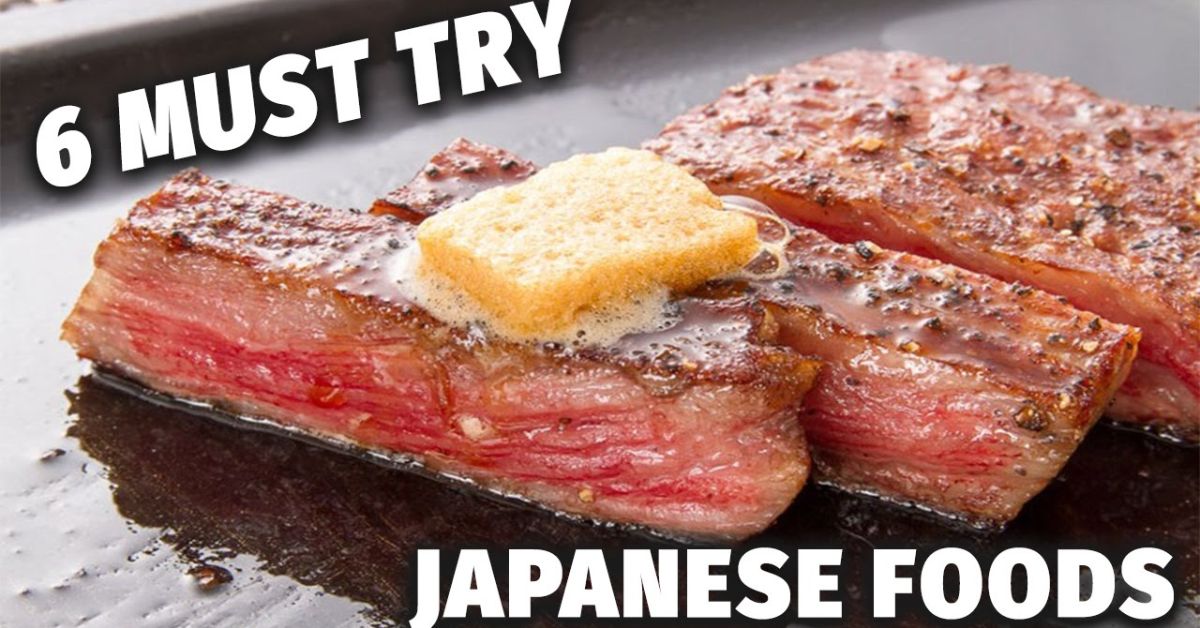
Gyukatsu shows Kyoto’s modern side and has quickly earned its place among the Must-Try Foods in Japan. This dish features beef coated lightly in breadcrumbs and cooked rare inside, creating a balance between crisp texture and rich flavor. It arrives sliced, allowing diners to finish cooking each piece on a hot stone at the table, which adds an interactive element many travelers enjoy. Gyukatsu (牛カツ) appeals strongly to American visitors because it combines familiar steak textures with Japanese precision and care. The crisp coating contrasts beautifully with the tender center, proving that Kyoto respects tradition while confidently embracing new ideas, making gyukatsu a popular answer to what to eat in Kyoto today.
Kyoto Ramen (京都ラーメン)
Kyoto ramen often surprises first-time visitors. The broth usually leans toward soy-based flavors that feel deep yet clean. Unlike heavier styles found elsewhere, Kyoto Ramen (京都ラーメン) balances richness and subtlety. Noodles remain firm, and toppings stay simple. Locals enjoy ramen as an everyday meal, not a special occasion. For American travelers, ramen in Kyoto feels comforting without being overwhelming, perfect after a long day of exploring temples.
Matcha Desserts
Kyoto is the heart of Japan’s matcha culture, and desserts here reflect that legacy. Matcha grown in this region tastes more layered and less sugary than versions found abroad. Desserts include ice cream, cakes, and beautifully layered parfaits. Matcha Desserts balance bitterness with gentle sweetness. For American visitors used to very sweet treats, this experience feels refreshing and refined. Matcha desserts also connect directly to tea ceremonies, where calm and focus shape every sip and bite.
Warabi Mochi (わらびもち)
Warabi mochi differs from regular mochi in both texture and appearance. It looks slightly transparent and moves softly when touched. Made from bracken starch and coated with roasted soybean powder, Warabi Mochi (わらびもち) tastes light and delicate. Traditionally enjoyed in warmer months, it melts gently in the mouth. Many travelers say it becomes one of their most memorable desserts when discovering what to eat in Kyoto.
Tarte Tatin (タルトタタン)
Tarte Tatin in Kyoto reflects cultural exchange done thoughtfully. Originally a French dessert, it found a place in Kyoto bakeries where chefs adjusted sweetness and ingredients. Local apples often replace imported ones, creating a lighter balance. Tarte Tatin (タルトタタン) in Kyoto feels familiar yet refined. For American travelers, it offers comfort while still feeling uniquely Japanese, showing how Kyoto adapts outside influences without losing identity.
May Also Read: Amerikamura (アメリカ村) – Osaka’s Hub for Fashion, Art, and Youth Culture
Conclusion
Understanding What to Eat in Kyoto: 12 Must-Try Foods in Japan’s Cultural Capital means understanding the city itself. Kyoto food values patience, seasonality, and quiet confidence. Each dish, from Nishin Soba to Matcha Desserts, reflects generations of thoughtful living. Eating here encourages slowing down and noticing small details. When you choose these foods, you are not just eating a meal. You are sharing in a cultural rhythm that has endured for centuries.