
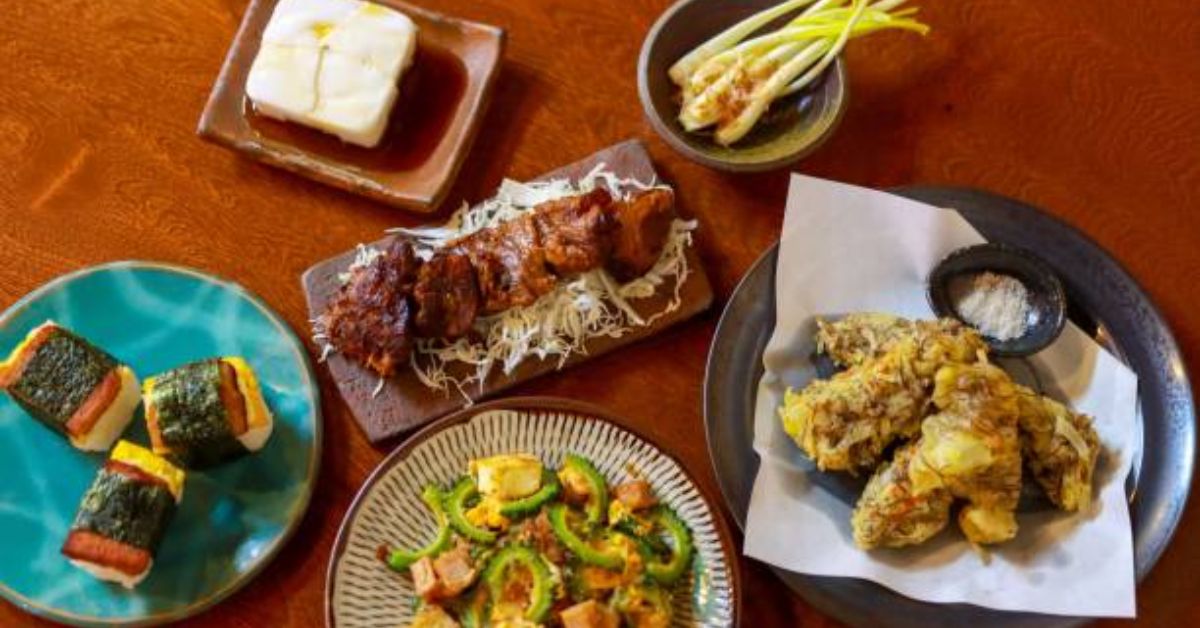
Okinawa (沖縄) is not just a tropical paradise of turquoise waters and sunny beaches; it is also a culinary treasure trove waiting to be explored. Okinawa Food (沖縄料理) – A Taste of Island Tradition is unlike any other cuisine in Japan. Unlike the sushi and ramen often associated with Japanese food, Okinawan dishes emphasize fresh local ingredients, bold flavors, and healthy preparations that have contributed to the island’s famous longevity. From Rafute (braised pork belly) to Goya Champuru, each dish tells a story of the island’s rich history, unique culture, and post-WWII influences. Visiting Naha City and Nago City offers travelers an opportunity to experience authentic Okinawan cuisine firsthand, while discovering hidden gems along the way.
Walking down Kokusai Dori, the bustling street in Naha City, the aroma of sizzling meats, fresh seafood, and sweet treats fills the air. The vibrant markets, family-owned eateries, and seaside restaurants make Okinawa a paradise for food lovers. Okinawan cuisine is heavily influenced by local farming, fishing traditions, and cultural exchanges with China and Southeast Asia. Staples like Okinawa soba, Soki Soba, Jushii (seasoned rice), and desserts such as Sata andagi (Okinawan donuts) and Red yam pies provide an unforgettable culinary experience. Beyond taste, the textures—from crispy Goya Chips to tender Braised Pig Feet—and the colors of fresh vegetables and seafood elevate every meal into a feast for the senses.
First Makishi Public Market (第一牧志公設市場): A Feast for the Senses
First Makishi Public Market (第一牧志公設市場) in Naha City is a sensory wonderland where Okinawan culture and cuisine converge. Stepping into the market, visitors are greeted by vibrant displays of fresh fish, tropical fruits, and local specialties like Umibudo (sea grapes) and Mozuku Tempura. This market has been serving locals and tourists for decades and offers a glimpse into the heart of Okinawa Food (沖縄料理) – A Taste of Island Tradition. Here, you can see braised pork belly (Rafute) being prepared alongside tender Soki Soba, while sweet treats such as Black sugar sweets and Red yam pies tempt visitors at every corner.
Exploring the market is not just about food—it’s about culture, tradition, and local life. Vendors eagerly share the history of each dish, explaining how ingredients were sourced from Okinawan farms or surrounding seas. Seasonal items like fresh tropical fruits or crispy Goya Chips are must-tries. Visitors can also experience hands-on tasting, creating a personal connection with Okinawan cuisine. For travelers, this market is an ideal spot to explore Okinawa’s culinary heritage, learn cooking tips, and enjoy meals prepared fresh before your eyes. The combination of vibrant colors, bold flavors, and fresh ingredients makes First Makishi Public Market a true feast for the senses.
Nagumagai Restaurant (名護曲レストラン): Comfort Food on the Coast
Located in Nago City, Nagumagai Restaurant (名護曲レストラン) is a coastal haven for those craving comfort food on the coast. Unlike large tourist restaurants, Nagumagai specializes in home-style Okinawan dishes, creating meals that feel authentic, warm, and satisfying. Signature dishes like Spicy Pork Hot Pot and Jimami Tofu are prepared with care, blending traditional flavors with fresh local ingredients. Each bite captures the essence of Okinawa Food (沖縄料理) – A Taste of Island Tradition, offering both bold tastes and delicate textures that linger on the palate.
The restaurant is known not only for its dishes but also for the vibrant seaside ambiance, where diners enjoy the gentle ocean breeze while savoring Okinawan specialties. Seasonal seafood, fresh vegetables, and aromatic herbs elevate the meals, making every plate a delightful experience. Travelers often recommend visiting at lunch or dinner to try the full range of flavors, from Taco Rice—a unique Okinawan twist combining Tex-Mex influence with local flair—to the classic Soki Soba. Nagumagai Restaurant demonstrates how Okinawan cuisine balances comfort, health, and tradition, providing a memorable meal that appeals to both locals and visitors.
Onnanoeki Nakayukui Market (おんなの駅「なかゆくい市場」)
Onnanoeki Nakayukui Market (おんなの駅「なかゆくい市場」) is another culinary hotspot where travelers can immerse themselves in Okinawa Food (沖縄料理) – A Taste of Island Tradition. Located along the western coast, this market is renowned for fresh produce, artisan goods, and authentic Okinawan flavors. Visitors can sample exotic items like Umibudo (sea grapes), tropical fruits, and unique snacks, while learning about the island’s food culture directly from local vendors.
The market also offers insights into Okinawan daily life and culinary traditions. From seasonal fruits and vegetables to freshly prepared Sata andagi and Black sugar sweets, every corner presents an opportunity to explore authentic flavors. Travelers often spend hours tasting, photographing, and learning the stories behind each ingredient. This combination of food, culture, and sensory experience makes Onnanoeki Nakayukui Market an essential stop for anyone wanting to truly understand Okinawan cuisine. Whether sampling local Awamori rice liquor or exploring Red yam pies, visitors leave with a richer understanding of the island’s food heritage.
Yoshizaki Cafeteria (吉崎食堂): Our Favorite Meal in Okinawa
Among the many eateries in Okinawa, Yoshizaki Cafeteria (吉崎食堂) stands out as a personal favorite. Tucked away in a quiet neighborhood, it offers traditional Okinawan dishes with a focus on simplicity and authenticity. From the moment you enter, the warm, welcoming atmosphere sets the stage for a memorable meal. Signature dishes like Braised Pig Feet, Goya Champuru, and Okinawa soba are prepared with care, emphasizing fresh ingredients and bold flavors.
Dining at Yoshizaki Cafeteria is not just about eating; it is a full cultural immersion. The cafeteria showcases Okinawan culinary history, blending traditional recipes with local ingredients sourced daily from nearby farms and markets. Patrons can savor each dish’s texture, aroma, and vibrant presentation, creating a truly sensory experience. Many visitors note that the meal feels like eating in a local home rather than a restaurant, capturing the heart of Okinawa Food (沖縄料理) – A Taste of Island Tradition.
Our Final Take on Okinawan Food
After exploring markets, restaurants, and hidden gems across Naha City and Nago City, the beauty of Okinawan cuisine becomes clear. It is a harmonious blend of health, flavor, and cultural storytelling, where every dish reflects the island’s history and lifestyle. From the rich tenderness of Rafute to the crispy delight of Goya Chips, Okinawan food satisfies the palate while offering a glimpse into the island’s vibrant traditions.
Okinawan cuisine also demonstrates an emphasis on freshness and nutrition, which explains the region’s celebrated longevity. The combination of seafood, vegetables, and minimal oil cooking techniques creates meals that are both indulgent and healthy. Experiencing markets like First Makishi Public Market or Onnanoeki Nakayukui Market alongside restaurants like Nagumagai Restaurant and Yoshizaki Cafeteria allows travelers to fully understand why Okinawa’s culinary culture remains unique and beloved. Whether tasting Mozuku Tempura, Taco Rice, or Jimami Tofu, every dish tells a story of flavor, tradition, and care.
Conclusion
In conclusion, Okinawa Food (沖縄料理) – A Taste of Island Tradition is more than just a culinary adventure—it is a journey into the heart of the island itself. From bustling markets like First Makishi Public Market (第一牧志公設市場) to hidden coastal gems such as Nagumagai Restaurant (名護曲レストラン) and Yoshizaki Cafeteria (吉崎食堂), Okinawan cuisine offers something for every palate. The bold flavors, fresh ingredients, and rich textures make every meal a memorable experience.
For travelers and food enthusiasts alike, exploring Okinawa’s culinary landscape is essential. From the crispy Goya Chips to the sweet indulgence of Red yam pies and the savory depth of Braised Pig Feet, Okinawa’s food culture is a celebration of taste, tradition, and community. Whether visiting the island or attempting to recreate dishes at home, embracing Okinawa’s unique flavors promises a journey that delights the senses, nourishes the body, and leaves a lasting impression.